Menopause in prison
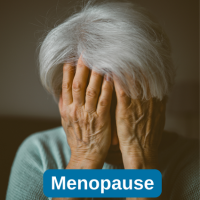
The most recent figures show that 39% of female prisoners are over 40, and a further 38% are aged between 30 and 39. Many of them will either be menopausal or perimenopausal and will potentially receive little to no support or information during their time in prison. There may also be limited availability of medication and Healthcare appointments to help support women going through this phase in their life.
The stressful and confined environment of prison can exacerbate the physical and emotional symptoms of menopause and perimenopause, such as hot flashes, mood swings and sleep disturbances and their overall wellbeing and dignity can be vastly impacted.
Facts about the menopause and perimenopause
- 1 in 100 will experience symptoms before they are 45 years of age and some will start even earlier, which is known as Premature Ovarian Insufficiency (POI). (Care First, 2023)
- Perimenopause can last several years and can affect physical, emotional, mental and social wellbeing. (World Health Organisation, 2024)
- 1 in 4 who go through menopause will have severe symptoms that have an impact on their day-to-day lives. (Age UK, 2026)
How Recoop can help women going through Menopause while in prison
Due to Recoop’s experience within the female estate, we have recognised that additional support is needed during this stressful and uncertain time in a woman’s life and have produced a Menopause Workbook, aimed at women who are going through the perimenopause or menopause, or maybe just want to prepare themselves.
The Workbook includes:
- Details and facts about what happens during the menopause and answers to questions individuals may have.
- Other individual’s experiences about the menopause.
- A symptom checklist and details on how best to manage the symptoms of the menopause, such as hot flushes and mood changes.
- A journal to record symptoms.
Our aim is to make sure individuals are prepared for both the physical and mental side effects of the symptoms they may face, therefore providing them with increased emotional wellbeing and dignity.
How do I find out more?
For further information please email us and a member of our team will get back to you.