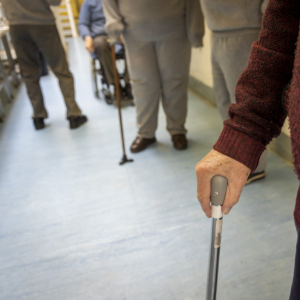
The Prison Reform Trust, HMPPS and many organisations working in Criminal Justice, including Recoop, use 50 as the age at which someone is considered older in the prison system.
Research consistently shows that people who have spent time in prison can exhibit the physical and cognitive health markers of someone a decade or more older than their actual age. Poor diet, limited physical activity, disrupted sleep, chronic stress, substance misuse histories and reduced access to timely healthcare all take their toll. A 52-year-old in custody may be living in a body, and facing the health challenges, of someone in their mid-60s.
The 50+ threshold exists to ensure that people who need age-appropriate support aren’t missed, simply because they haven’t reached a conventional retirement age.
A growing population
Older people are the fastest-growing demographic in the prison estate. The number of people aged 50 and over in prison in England and Wales has almost tripled over the past two decades. They now make up nearly one in five (18%) of the prison population, yet provision designed specifically for their needs remains limited.
Many arrive in custody with pre-existing health conditions. Some are managing long-term illnesses. Some are experiencing cognitive decline. Many have spent decades outside the system before a late-life conviction, meaning they have no experience of navigating custodial life and none of the informal networks that longer-serving prisoners develop over time.
What “older” means in practice
For Recoop, the 50+ definition shapes everything we do: from who our services are designed for, to how we talk to prisons about identifying and referring people who need support.
Older age in the criminal justice system is layered. It intersects with disability, mental health, social isolation and, critically, the experience of release. Leaving prison in later life can mean returning to a world that has changed enormously, often without family support, stable housing, or a pension to fall back on. The risks at this point are acute.
The bigger question 
The threshold age of 50+ points to something more fundamental: a criminal justice system that was not designed with older people in mind and has been slow to adapt to the reality of an ageing prison population.
Closing that gap is at the heart of what Recoop does. The needs of older people in the criminal justice system are well-documented and the case for targeted, sustained provision is clear. Recoop exists to ensure that case is heard and acted upon.