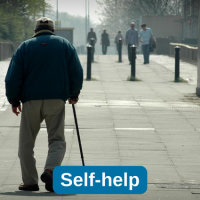
For people serving long sentences, relationships can change significantly over time. Children grow up, friendships change and family members grow older themselves. For some, relationships may gradually become more difficult to maintain, while others experience the loss of loved ones during their sentence. Visits can also become harder. Family members may develop their own health or mobility difficulties, live a long way from the prison or find travelling increasingly difficult as they get older.
For an older person who has spent many years in custody, these changes can have a significant impact, not only on their wellbeing in prison, but on the support they have available when they are eventually released.
The importance of family connections
Research has consistently highlighted the value of maintaining positive relationships during a prison sentence. A systematic review by De Claire and Dixon found that studies reported positive effects associated with receiving family visits, including improvements in wellbeing and a reduced risk of reoffending.
One study also found that people who received family visits while in prison had 39% lower odds of reoffending than those who did not. While this research is older, more recent work continues to highlight the importance of relationships for wellbeing and resettlement. The Prison Reform Trust’s 2024 ‘Growing Old and Dying Inside’ report provides a more recent insight into the experiences of older people serving long prison sentences. Participants spoke about family and friends moving on without them, with the loss of these relationships contributing to feelings of disconnection and loneliness.
The impact of age, loss and isolation
 The 2026 discussion paper ‘Intersectionality? Essential’, written by University of Bristol criminology student Andrea Law, explores how different challenges faced by older people in prison can overlap. Ageing, declining health, bereavement, loneliness and long periods in custody do not necessarily exist as separate issues. Together, they can make maintaining relationships and preparing for release particularly difficult. The paper highlights how older people in prison may have ageing relatives and friends who face their own health or mobility difficulties. It also identifies practical barriers to maintaining relationships, including the remoteness of some prisons and accessibility difficulties for older visitors.
The paper also draws on informal conversations with older people in HMP Ashfield in March 2026. Some had experienced the death of close family members during their sentence. One person had lost both his mother and sister and reported low motivation and a reluctance to leave prison because of a fear of loneliness. For someone who has spent decades in prison, preparing for release may therefore involve much more than finding somewhere to live. They may also be facing the reality that the relationships and support networks they once had have changed significantly or no longer exist.
Family support after release
Positive relationships can provide important emotional support after release, but they can also make a practical difference. Having people to turn to can help someone adjust to everyday life, manage appointments and finances, address health needs and cope when things become difficult. This can be particularly important for older people leaving prison who may also be living with frailty, disability or long-term health conditions, while adjusting to a community that may have changed considerably during their time in custody.
The challenges of resettlement are rarely experienced in isolation. Housing, health and social care, relationships, loneliness and practical support can all be closely connected. ‘Intersectionality? Essential’ highlights the importance of recognising how these different needs can overlap. It argues that older people can experience a combination of disadvantages linked to age, physical & mental health, social care, family relationships and difficulties with resettlement.
How Recoop supports older people to prepare for release

At Recoop, our work with older people in prison recognises that successful resettlement involves more than addressing one need at a time. Health, social care, housing, relationships and emotional wellbeing can all affect how prepared someone feels for life after prison. Identifying these needs early and ensuring the right support is in place can be particularly important for those who have spent many years in custody.
Recoop’s programmes are designed to support people with these different aspects of life. Our Buddy Support Programme provides practical and social support from trained peers, helping older people navigate prison, access services, maintain connections and feel less isolated. Our Resettlement Programme focuses on preparing people for life after prison, helping them identify their needs, build confidence and consider the practical support they may need as they return to the community. These programmes can help people develop the skills, connections and support networks that are important both during their sentence and beyond release.
For some older people, family and friends may provide an important source of support. For others, particularly those who have experienced bereavement or lost contact over the course of a long sentence, those networks may no longer exist. Understanding what support someone has around them, and where the gaps are, should therefore be an important part of preparing for release.
For an ageing prison population, maintaining meaningful connections play an important role in wellbeing during a sentence and in ensuring that, when someone does leave prison, they have the support they need to rebuild their life.