With this week being Loneliness Awareness Week, we reflect on how loneliness can affect those inside prison as well as when they are released.
Inside prison
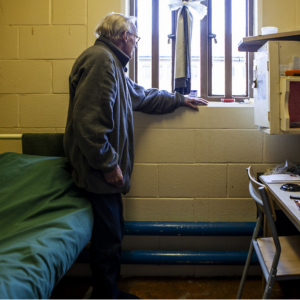
“Many older people in custody may receive no visits at all. Relationships with family may have broken down before or during the sentence and for those serving long sentences, the outside world has changed so much that maintaining contact can feel increasingly difficult. Research consistently finds that loneliness and depression are more prevalent among prisoners who receive no visits from family or friends.” In fact, family contact gave prisoners a feeling of hope and the ability to picture a life beyond custody.
Mobility difficulties, hearing loss and cognitive decline all reduce older people’s ability to engage with communal prison life, as does the environment itself. Wings designed around a younger population, with the noise and pace that comes with that, can make shared spaces feel inaccessible to older prisoners.
Volunteers from independent organisations and charities allow prisoners to express themselves freely, without concerns about speaking to those in authority. For older men particularly, who are unlikely to raise mental health with a prison officer, it can make a real difference.
Case Study: Activity Hub

One 96-year-old prisoner said, “I didn’t like to come out of my cell because all the younger and louder people would make me feel overwhelmed. There wasn’t a place for me to go and be with people my own age at a time when it was actually quiet before, but now there is.”
After joining Recoop‘s on-wing activity sessions, he began leaving his cell every day. “The sessions have helped me to connect with the older people on the wing and I actually have things in common with them. We can sit and play our games for a few hours and it’s really nice.”
Life after release
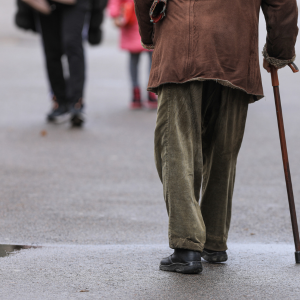
For many older people, release from prison replaces one form of isolation with another. The structure of custody provides routine and familiar faces. Without it, the transition to community life can be disorienting, particularly for those who have been inside for a long period of time.
The age-adjusted risk of suicide in recently released prisoners is eight times the national average and over a quarter of all such deaths occur within the first four weeks of release. The evidence points clearly to isolation as a contributing factor.
Older people face particular barriers to rebuilding social connections. For those who have spent many years in custody, digital communication remains a mystery even after release and community services and groups are generally not designed with this population in mind.
How Recoop helps
Recoop’s Buddy Programme operates on the basis that peer connection is more accessible and more sustained for older people in custody than professional support alone. The outcomes recorded at HMP Garth, HMP Ashfield and HMP Altcourse reflect that.
For those approaching release, Recoop’s Resettlement Programme includes dedicated sessions on re-establishing family contact, technology and accessing community services to equip participants with the appropriate knowledge and skills to support a positive resettlement experience and to live responsibly and productively post release.