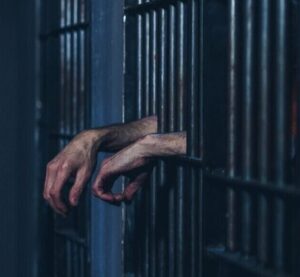
The pandemic has had a vast impact on our society over the last eighteen months, from restrictions to lockdowns; this has affected many aspects of our lives. Prisons are one area where the impact of coronavirus has been felt fairly vividly; by inmates, their families, their friends and prison staff. This World Mental Health Day, we look at the short term and potential long-term impact of this period of isolation and constraints placed on those currently within the prison system.
As The Lancet states in their article ‘High COVID-19 death rates in prisons in England and Wales, and the need for early vaccination’, prisons are a very hazardous place in terms of highly infectious diseases. This is due to increased contact with others within the prison system, including their cohorts and the many members of staff they will interact with. In order to mitigate this high risk of infection, several rules were introduced including visit times being cancelled, individuals were confined to their cells and activities such as work and education programmes were cancelled. This meant that prisoners were spending more than 22 hours a day in their cell with no timeline as to when these restrictions would be lifted. The HM Inspectorate of Prisons report ‘What happens to prisons in a pandemic?’ details the feeling of hopelessness of these ongoing restrictions on the prison population. Some of these individuals turned to drugs, self-harm and physical and mental wellbeing was impacted.
There was extra strain on the older cohort as many of these individuals had pre-existing health conditions which increased the risk of serious complications if they contracted Covid. The mental toil of being locked down in prison also exacerbated the risk of the older cohort developing chronic conditions such as dementia. Again, The Lancet, in their article ‘Locked up and at risk of dementia’ identifies that the “lack of availability of enough proper nutrition and physical and mental activities place prisoners, especially the older population, at an increased risk of developing dementia.”. We also know that this cohort has deteriorated at a faster rate due to the structure of lockdowns in prison, which could potentially have an impact on not only their short term physical and mental health but their long term health too. It is also relevant to note that before the vaccination rollout those in the older demographic were more at risk from coronavirus and this knowledge could put those individuals under more stress. 54 per cent of those over 50 in prison are also estimated to have a disability, which would very much add to the isolation during the pandemic. It’s important to consider this cohort as those over 50 make up 17 per cent of the total prison population and this continues to grow at a rapid rate year on year.
The government commenced the vaccine rollout within prisons earlier this year. However there are still breakouts within the prison population, meaning individuals are continuing to have to isolate and not having contact with others intensifying mental health issues. Prisons have also introduced video calling instead of prison visits; however this is not available in all prisons and calls are limited to one 30 minute video call every month. This compares to in-person visits where individuals are “allowed at least two 1-hour visits every 4 weeks”.
Whilst the strict lockdown measures have been successful in controlling the virus in this high risk home to many vulnerable people, Recoop is concerned that being locked up in lockdown has hit hard. Particularly hard hit are those many prisoners, especially some of those in the older cohort who already suffer from poorer mental and physical health. We have yet to see how the long periods of solitary confinement has contributed to a further deterioration in their health. However, we are starting to see examples of deconditioning resulting from a year stuck behind their doors. As movements are severely restricted and visits, workshops and education still on hold, the full longer term consequences are yet to be realised.








[…] has had a severe impact especially on those in the older cohort, who have not only had to be locked in their cells up to 22 hours a day during the pandemic, but are also not able to access the hospital care they desperately need in order to maintain their […]